One Punch Man Season 3 arrived in late 2025 with massive expectations behind it. Fans waited for years after Season 2, hoping the series would finally return to its former glory. Instead of celebration, the release triggered frustration, memes, and nonstop criticism across social media. What made the reaction so intense was not just one mistake, but a chain of problems that hit all at once. Animation quality, studio decisions, production pressure, and the shadow of Season 1 all collided together.
The backlash did not happen overnight. Episode by episode, viewers noticed patterns that made them feel something was deeply off. By the middle of the season, disappointment had turned into anger. Many fans felt the series they loved was being treated like a routine product instead of a special project.
Expectations Were Unreachable From the Start
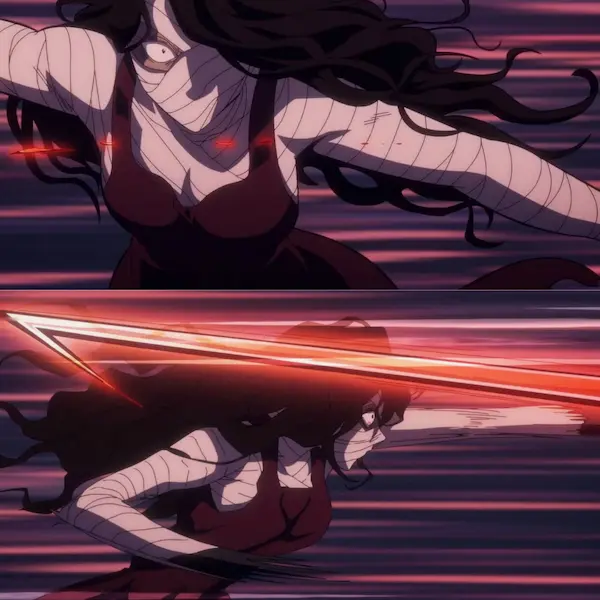
One Punch Man Season 1 set a standard that very few anime have ever matched. The animation felt alive, unpredictable, and explosive. Every punch carried weight. Every fight felt memorable. That season became a reference point for how action anime should look.
Because of that history, fans expected Season 3 to at least respect that legacy. The long gap between seasons only increased hope. A six year wait usually signals careful planning and strong production. When Season 3 arrived looking weaker instead of stronger, the disappointment felt personal to many viewers.
Season 3 did not fail in isolation. It failed in comparison. Every still frame and awkward cut was measured against memories of Season 1. That comparison alone made the flaws feel louder than they might have been in another series.
You may also like: Is Genos Alive in One Punch Man? Full Manga Explanation
Animation Quality Became the Main Target
The most visible problem was the animation itself. Viewers quickly noticed that many action scenes lacked real movement. Instead of fluid motion, scenes relied on tricks that made fights feel cheap.
The PowerPoint Animation Complaint
Fans started calling the show One Frame Man. Many scenes used a single detailed drawing that moved slightly across the screen. Camera shakes and zooms replaced real animation. What should have felt fast and powerful instead felt stiff and artificial.
This style broke immersion. One Punch Man depends on timing and motion for its comedy and action. When movement disappears, the joke and the impact disappear with it.
The Garou Slide Moment
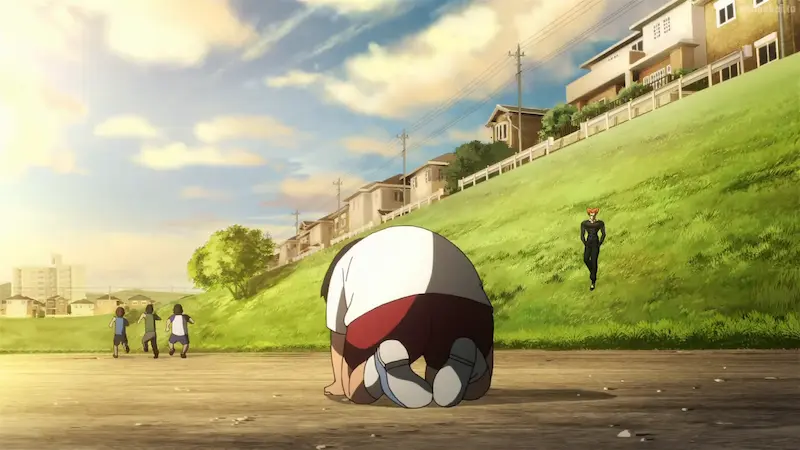
One scene became the symbol of everything fans disliked. In Episode 2, Garou slides down a slope without his legs moving. The motion looked unnatural and unfinished. Clips of this moment spread everywhere online.
The scene turned into a meme, but also into evidence. Fans used it to show what they believed was a lack of care and polish. From that point on, every new episode was watched more critically.
Also Read: Who is Blast One Punch Man? His Powers, Abilities, and Plot Involvement
Inconsistent Art and Outsourcing
Another issue was inconsistency. Characters looked sharp in one scene and off model in the next. This usually points to heavy outsourcing. Reports suggested the studio was handling several anime projects at the same time in 2025.
When work spreads across multiple teams under tight deadlines, quality control suffers. The result was uneven visuals that made the show feel rushed.
The Studio Problem That Never Went Away
Season 1 was produced by Madhouse under director Shingo Natsume. That season benefited from top freelance animators and creative freedom. It was a rare case where talent, timing, and passion aligned.
Season 2 and Season 3 were produced by J.C. Staff. This studio is known for consistency and volume, not experimental action animation. Many fans already had concerns during Season 2. Season 3 confirmed those fears for a larger audience.
The frustration was not only about skill. It was about suitability. One Punch Man demands a studio willing to push limits. Fans felt J.C. Staff was never the right match for the series.
Production Committee Decisions Made Things Worse
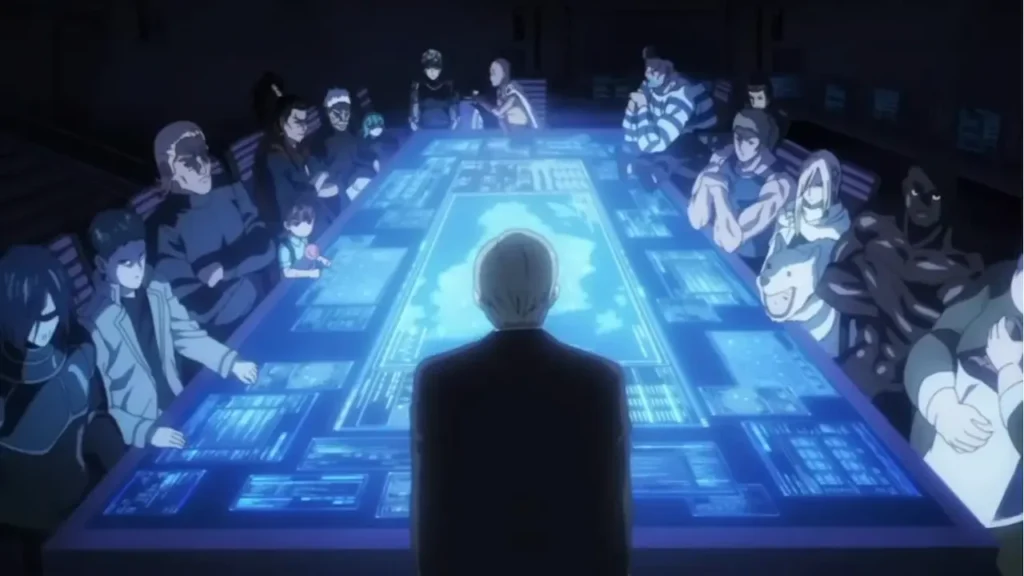
Many animators and industry voices pointed away from the studio and toward the production committee. The committee controls budget, schedule, and overall direction. In this case, the decisions appeared conservative.
There were strong rumors that the committee tried to minimize costs. Studios were approached with limited budgets and strict timelines. This reduced the pool of studios willing to take the project.
Once J.C. Staff accepted the job, the schedule reportedly left little room for refinement. Tight deadlines force shortcuts. Shortcuts show up clearly in action heavy anime.
This situation reignited discussion about working conditions in the anime industry. Viewers started to question whether profit was being prioritized over quality.
Also Read: Saitama vs Tatsumaki | Is Saitama stronger than Tatsumaki?
Direction and Sound Design Issues
Even beyond visuals, Season 3 struggled with direction. Pacing felt uneven. Important moments passed too quickly. Other scenes dragged without tension.
Sound design became another frequent complaint. Punches sometimes sounded dull or recycled. Instead of powerful impact, fights felt muted. Sound plays a huge role in selling force and speed. Weak audio made weak animation feel even worse.
The director faced intense criticism online. The harassment became so severe that he eventually deleted his social media accounts. While some blamed him directly, others pointed out that directors can only work within the system they are given.
Ratings Turned Into a Protest
The backlash reached its peak around Episode 6. That episode dropped to extremely low user ratings on major platforms. At one point, it sat near the bottom of anime episode rankings.
Many fans admitted the rating was symbolic. It was not just about that episode. It was a message to the production committee. Viewers wanted to show dissatisfaction in a way that could not be ignored.
Fans also expressed frustration on behalf of the manga artist. The original artwork is highly respected. Seeing it adapted poorly felt disrespectful to the source.
Memes, Errors, and Lost Trust
Beyond Garou Slide, fans spotted small visual mistakes. Hair clips appeared and disappeared. Faces changed shape between frames. These errors became screenshots shared online.
Memes kept the criticism alive between episodes. Humor softened the anger but also spread it faster. New viewers encountered the season through jokes before watching it themselves.
Once trust is broken, recovery becomes difficult. Even scenes that looked decent were judged harshly. The season never escaped its early reputation.
Not Everyone Hates It
Despite the backlash, some viewers defended Season 3. They argued that later episodes showed improvement. Others pointed out that animators were working under extreme pressure.
A smaller group chose to focus on story progression rather than animation. They believed the narrative still had value and hoped future arcs would receive better treatment.
These voices were quieter, but they existed. The reaction was not completely one sided.